.jpeg)


Expert Tips for Creating a Sustainable Garden Oasis

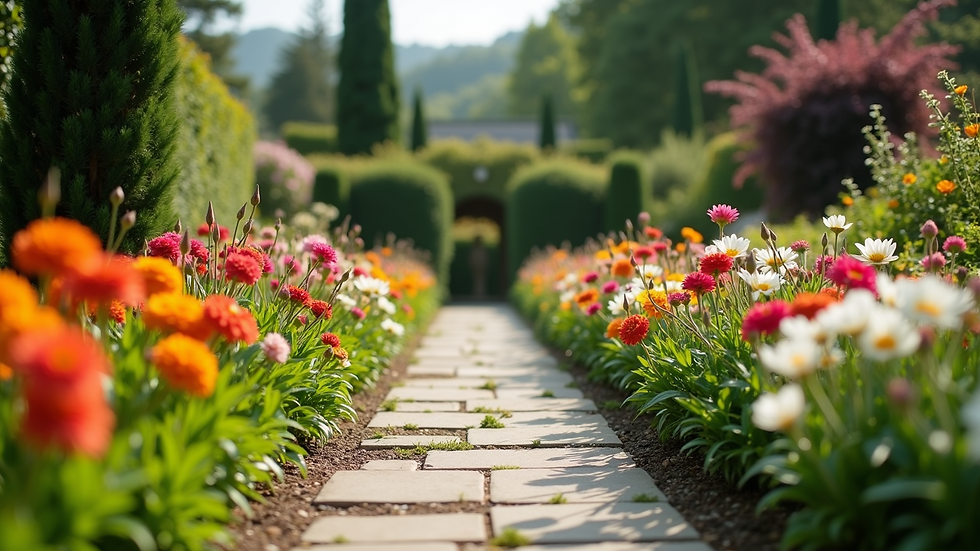
Creating a sustainable garden oasis is not just a trend; it is a lifestyle choice that benefits both you and the environment. Imagine stepping into your backyard and being greeted by vibrant flowers, lush greenery, and the soothing sounds of nature. A sustainable garden can provide a peaceful retreat while also supporting local wildlife and reducing your carbon footprint.
In this blog post, we will explore expert tips to help you design and maintain a sustainable garden oasis. Whether you are a seasoned gardener or just starting out, these practical tips will guide you in creating a beautiful and eco-friendly space.
Understanding Sustainability in Gardening
Sustainable gardening focuses on practices that are environmentally friendly and resource-efficient. This means using methods that conserve water, reduce waste, and promote biodiversity.
Here are some key principles of sustainable gardening:
Soil Health: Healthy soil is the foundation of a sustainable garden. It supports plant growth and helps retain moisture.
Water Conservation: Efficient water use is crucial. Collecting rainwater and using drip irrigation can significantly reduce water waste.
Biodiversity: Planting a variety of species encourages a balanced ecosystem. This attracts beneficial insects and pollinators.
Native Plants: Using native plants is a great way to support local wildlife. They are adapted to the local climate and require less maintenance.
By understanding these principles, you can create a garden that thrives while being kind to the planet.
Choosing the Right Location
The first step in creating your sustainable garden oasis is selecting the right location. Look for a spot that receives adequate sunlight, has good drainage, and is easily accessible.
Consider the following factors:
Sunlight: Most vegetables and flowers need at least six hours of sunlight each day. Observe your yard throughout the day to find the sunniest spots.
Wind Protection: If your garden is exposed to strong winds, consider planting a windbreak. This could be a row of shrubs or trees that shield your plants.
Accessibility: Make sure your garden is easy to reach for maintenance and harvesting. Paths made of natural materials can enhance accessibility while blending with the environment.
Choosing the right location sets the stage for a thriving garden.
Soil Preparation
Healthy soil is essential for a sustainable garden. Start by testing your soil to understand its pH and nutrient levels. You can purchase a soil test kit or send a sample to a local extension service.
Once you know your soil's condition, you can improve it by:
Adding Organic Matter: Compost is a fantastic way to enrich your soil. It improves soil structure, provides nutrients, and enhances moisture retention.
Mulching: Applying a layer of mulch helps retain moisture, suppress weeds, and regulate soil temperature. Organic mulches, like wood chips or straw, break down over time and add nutrients back into the soil.
Crop Rotation: If you grow vegetables, practice crop rotation. This means changing the location of your crops each year to prevent soil depletion and reduce pests.
Taking the time to prepare your soil will pay off in healthier plants and a more productive garden.
Selecting Plants Wisely
When it comes to choosing plants for your sustainable garden, opt for a mix of native species and drought-resistant varieties. Native plants are adapted to your local climate and soil conditions, making them easier to care for.
Here are some tips for selecting the right plants:
Research Native Plants: Look for local resources or extension services that provide lists of native plants suitable for your area.
Consider Drought Tolerance: Choose plants that require less water. Succulents, lavender, and ornamental grasses are great options.
Create Layers: Design your garden with layers in mind. Taller plants can provide shade for shorter ones, creating a diverse habitat.
By selecting the right plants, you can create a vibrant garden that thrives with minimal effort.
Watering Techniques
Watering is a crucial aspect of maintaining a sustainable garden. Efficient watering techniques can save water and promote healthy plant growth.
Consider these methods:
Drip Irrigation: This system delivers water directly to the roots of plants, minimizing evaporation and runoff. It is especially useful for vegetable gardens.
Rain Barrels: Collecting rainwater in barrels is an excellent way to conserve water. Use this water for your garden during dry spells.
Watering Early or Late: Water your garden early in the morning or late in the evening to reduce evaporation. This ensures that your plants receive the moisture they need.
Implementing these watering techniques will help you maintain a healthy garden while conserving water.
Attracting Beneficial Wildlife
A sustainable garden is not just about plants; it is also about creating a habitat for wildlife. Attracting beneficial insects, birds, and other wildlife can help control pests and pollinate your plants.
Here are some ways to encourage wildlife in your garden:
Plant a Variety of Flowers: Choose flowers that bloom at different times throughout the year. This provides food for pollinators like bees and butterflies.
Create Shelter: Provide shelter for birds and beneficial insects by adding birdhouses, bee hotels, and brush piles.
Avoid Pesticides: Instead of using chemical pesticides, consider natural alternatives. Neem oil and insecticidal soap can help control pests without harming beneficial insects.
By creating a welcoming environment for wildlife, you can enhance your garden's ecosystem.
Composting for Sustainability
Composting is a fantastic way to reduce waste and enrich your garden soil. It turns kitchen scraps and yard waste into nutrient-rich compost that can benefit your plants.
Here are some tips for successful composting:
Choose a Compost Bin: You can purchase a compost bin or create your own using pallets or wire mesh. Make sure it has good airflow.
Balance Greens and Browns: A successful compost pile needs a mix of green materials (like fruit scraps and grass clippings) and brown materials (like dried leaves and cardboard).
Turn Your Pile: Regularly turning your compost pile helps aerate it and speeds up the decomposition process.
Composting not only reduces waste but also provides you with a valuable resource for your garden.
Maintaining Your Garden Oasis
Once your sustainable garden oasis is established, regular maintenance is key to keeping it thriving. Here are some essential maintenance tips:
Regular Weeding: Weeds compete with your plants for nutrients and water. Regularly check your garden and remove weeds by hand or with a hoe.
Pruning: Prune dead or diseased branches to promote healthy growth. This also helps improve air circulation around your plants.
Seasonal Care: Adjust your care routine with the changing seasons. In the fall, prepare your garden for winter by mulching and planting cover crops.
By staying on top of maintenance, you can ensure your garden remains a beautiful and sustainable oasis.
Enjoying Your Garden Oasis
Creating a sustainable garden oasis is not just about hard work; it is also about enjoyment. Take the time to relax and appreciate the beauty of your garden.
Here are some ideas for enjoying your space:
Create a Seating Area: Add a bench or chairs where you can sit and enjoy the sights and sounds of nature.
Host Gatherings: Invite friends and family to enjoy your garden with you. Share the fruits of your labor and celebrate your sustainable efforts.
Document Your Journey: Keep a garden journal to track your progress, successes, and challenges. This can be a great way to reflect on your gardening journey.
Your garden oasis is a reflection of your hard work and dedication to sustainability.
Final Thoughts
Creating a sustainable garden oasis is a rewarding journey that benefits both you and the environment. By following these expert tips, you can design a beautiful space that thrives with minimal impact on the planet.
Remember, gardening is a process, and every small step counts. Whether you are planting native species, conserving water, or attracting wildlife, you are making a positive difference.
So grab your gardening tools, get your hands dirty, and enjoy the process of creating your very own sustainable garden oasis.


Comments